







Search Results for: tomato flavor
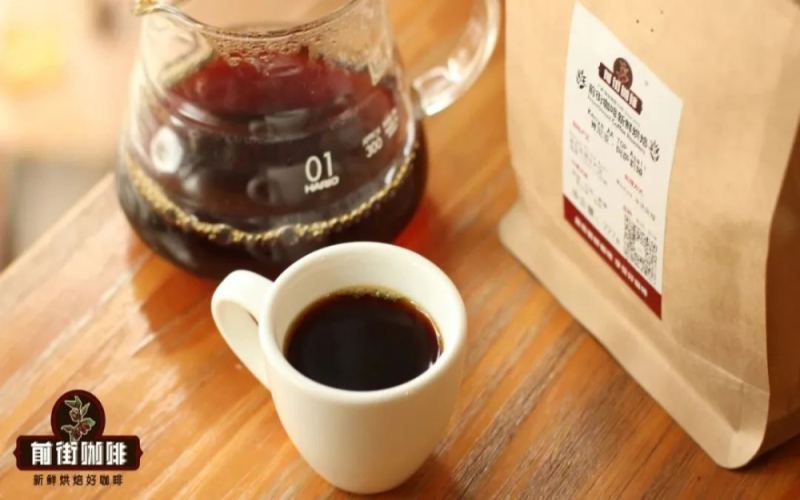
Can Tomato Juice Mixed with Coffee Be Drunk? The Truth About the Recipe and Taste of Cherry Tomato Iced Americano, Tested
Tomato scrambled eggs are common, but have you ever tried tomato coffee? After a certain brand launched tomato Americano, Front Street decided to verify it hands-on. We start with the logic of selecting cherry tomatoes, compare the performance differences between large tomatoes and cherry tomatoes in specialty drinks, and analyze why commercially available tomato beverages are not suitable for mixing directly with coffee. Then we document two fresh-juicing attempts—the first failed because the pulp was too thick, and the second, after adding water, blending, and filtering, yielded a clear juice. The final product was made with 90g ice cubes, 120g tomato juice, and 38g Warm Sun coffee liquid. On the palate, sourness and bitterness clash, with a noticeable astringency from the fruit skin. This whole hands-on test tells you: is this specialty drink really worth recreating? [more…]
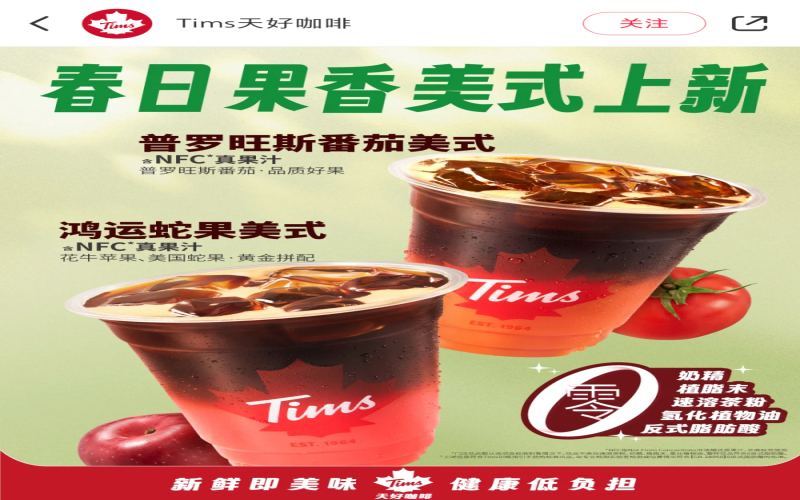
Tims Tomato Americano Sparks Heated Debate: Employees Break Down During Taste Test, Consumer Reviews Polarized
Right after the Spring Festival holiday, Tims couldn't wait to launch two new spring drinks—Lucky Snake Fruit Americano and Provence Tomato Americano—promoting a healthy路线 of 0 fat, low calories, and real fruit juice. Among them, the tomato Americano quickly went viral for its bizarre pairing, but it also sparked polarized reviews on social media. Some found the taste so strange it was hard to swallow, with even employees saying they were崩溃 when taste-testing it; others were full of curiosity about the tomato flavor. Is this new product a bold innovation, or just another dark cuisine? Let's take a look at everyone's real feedback. [more…]

Where Does the Little Tomato Flavor in Kenyan Coffee Come From? A Complete Analysis of Variety, Terroir, and the Washed Process
The vivid little tomato-like acidity in Kenyan coffee often surprises and fascinates those encountering it for the first time. Why does Kenyan coffee have such a pronounced tomato aroma and bright fruity acidity? Behind this lies a combined effect of four factors: variety, growing environment, processing method, and roasting. Starting from everyday conversations at Front Street's shop, this article analyzes the terroir conditions of Kenya's producing regions, the two classic varieties SL28 and SL34, and the famous K72 washed processing method. It also shares the complete brewing parameters for Front Street's "Kenya·Little Tomato" beans, guiding you to systematically understand the origins of Kenyan coffee's flavor and key points for tasting. [more…]

Complete Analysis of Kenyan Coffee Flavor Characteristics: Causes of the Small Tomato and Smoked Plum Tartness, and Key Brewing Points for SL28 Variety and K72 Washed Processing
Kenyan coffee is famous for its rich, bright acidity, sugarcane-like sweetness, and signature flavors reminiscent of small tomatoes and smoked plums, yet many enthusiasts fail to brew the stunning performance described once they get it home. From the perspective of Front Street, this article systematically sorts out the sources of Kenyan coffee's unique flavors: the terroir conditions of high-altitude volcanic soil and tropical savanna climate, the SL28 and SL34 varieties bred by Scott Laboratories, and the Kenyan-style washed processing that lasts up to 72 hours. On this basis, the article offers purchasing advice and, using the washed SL28 and SL34 Front Street Kenya·Small Tomato as an example, shares the complete brewing parameters and flavor performance of 15g grounds, a 1:15 coffee-to-water ratio, 92°C water temperature, and a three-pour V60 method, helping readers fully extract the characteristics of Kenyan coffee. [more…]
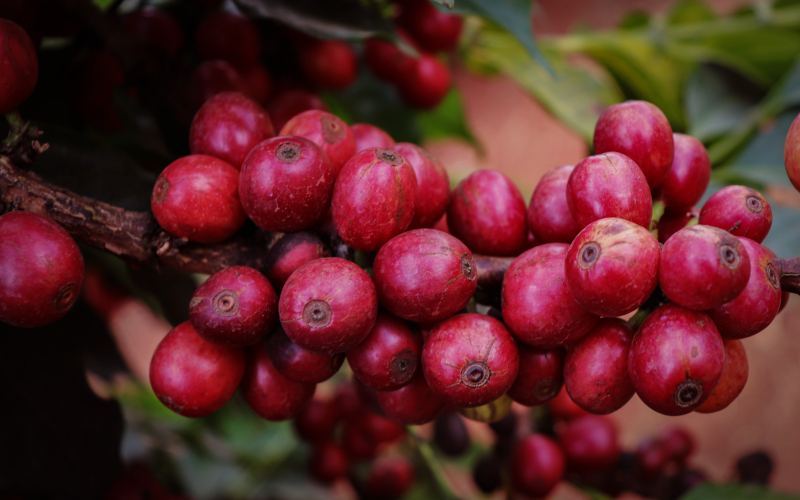
The Acidic Charm of Kenyan Coffee: Causes of the Cherry Tomato Flavor and Analysis of the SL Series Varieties
Kenyan coffee has long been renowned for its vivid fruit acidity and complex layers, making it one of the most distinctive origins in specialty coffee. This article focuses on Front Street Coffee's Little Tomato coffee beans, outlining their producing region, processing method, variety, and flavor characteristics, and analyzing the possible reasons behind the little tomato tonal quality. At the same time, from the two perspectives of high-altitude cultivation and volcanic soil, it explains the source of Kenyan coffee's bright acidity and full sweetness, and introduces the background and characteristics of the SL28 and SL34 varieties. Finally, it includes the pour-over parameters and brewing steps for Front Street Kenya Little Tomato, helping coffee lovers reproduce at home a clean, well-balanced Kenyan coffee with balanced acidity and sweetness. [more…]
Why Does Kenyan Coffee Have Fruity Acidity? A Detailed Guide to the Causes of Cherry Tomato Flavor and Pour-Over Water Temperature and Grind Parameters
Kenyan coffee is known for its bright acidity and complex flavors—some people are captivated by it, while others find it hard to accept. What exactly creates this polarizing taste experience? This article starts with Front Street's Little Tomato coffee beans to analyze the causes of Kenyan coffee's high acidity—how high-altitude cultivation and volcanic soil affect the ripening rhythm and sugar accumulation of coffee cherries—and introduces the characteristics of the two classic varieties, SL28 and SL34. It also includes Front Street Kenya Little Tomato's pour-over brewing standards, including a V60 dripper, 91°C water temperature, a 1:15 coffee-to-water ratio, 15 grams of coffee, and specific pouring techniques, to help you recreate a clean and bright cup of Kenyan coffee at home. [more…]
Kenya Coffee Beans Pour-Over Guide: Front Street Cherry Tomato Water Temperature, Grind Parameters, and Flavor Formation Analysis
Kenyan coffee has always been a polarizing bean in the specialty coffee world—those who love it are captivated by its bright acidity and complex layers, while those who aren't used to it find it overly sharp. Front Street currently offers only one Kenyan bean, "Front Street Cherry Tomato," from the Asali washing station in the Thika region, using a 72-hour washed process, with varieties SL28 and SL34. This article will start with the specific details of this bean, trace where Kenyan coffee's high acidity comes from, analyze how altitude and volcanic soil shape its flavor, introduce the history and characteristics of the SL series varieties, and provide Front Street's standard pour-over brewing recipe, including water temperature, dose, grind size, and pouring rhythm, to help you recreate a clean-tasting cup of Kenyan coffee at home. [more…]
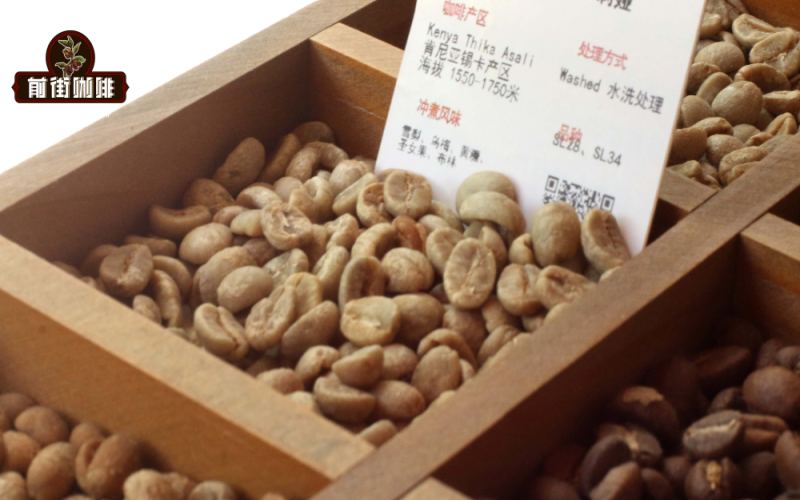
Kenya Double Washed Coffee Explained: Processing Steps, Flavor Profile, and Front Street Cherry Tomato Recommendation
Washed processing has always been known for its clean and bright flavor, while double washed processing adds an extra rinsing and fermentation stage to the traditional craft, making the coffee's fruity acidity more pronounced and its body fuller as well. This article will break down the two rounds of fermentation in double washed processing in detail, from density sorting, depulping and soaking, to the second wash and sun drying, explaining step by step how each stage affects the flavor. It will also introduce the Front Street Coffee Kenya Cherry Tomato, a bean that uses a medium-light roast, presenting a sweet-and-sour, juicy sensation interwoven with cherry tomato, snow pear, plum, and berry notes, with a caramel finish, a classic aroma, and rich layers. [more…]
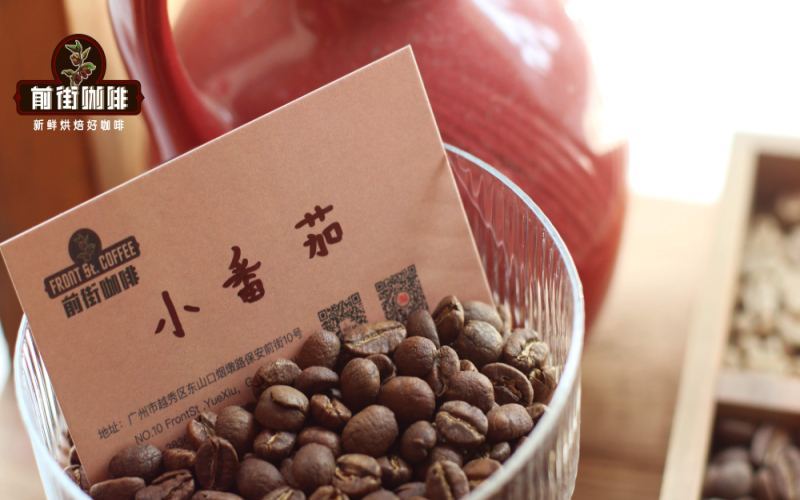
Kenyan Coffee Flavor Analysis: A Complete Guide from K72 Washed Processing to Front Street Cherry Tomato Pour-Over Parameters
Kenyan coffee is renowned for its vibrant fruity acidity and full body, with flavor layers ranging from blackberry and grapefruit to smoked plum, making it highly sought after by coffee enthusiasts. This article will begin with the flavor characteristics of Kenyan coffee, the smallholder cooperative farm model, and its unique grading system, with a focus on analyzing the K72-hour double washed processing method that creates its exceptional acidity and aroma. Meanwhile, the "Little Tomato" coffee beans from the Asali processing station in the Thika region, offered by Front Street Coffee, serve as a representative example with their smoked plum acidity and tomato-like fruity sweet-tartness. The article will also share Front Street's brewing tips for light-roasted Kenyan coffee, including dripper selection, water temperature control, grind size assessment, and the three-pour technique, helping you fully unlock the bright flavors of Kenyan beans. [more…]

A Complete Guide to Kenyan Coffee Flavors: Where the Tomato and Berry Notes Come From, and Key Buying Tips Explained
When it comes to coffee with bright acidity, most people's first thought is Yirgacheffe, Huakui, or Geisha. In fact, Kenyan coffee also boasts rich layers of sweet-and-sour aroma and a juicy mouthfeel. It typically undergoes a double washed process, with SL28 and SL34 as the main varieties, and combined with high-phosphate soil, it shapes signature flavors like smoked plum, cherry tomato, and black plum. This article will systematically sort out the flavor sources and purchasing logic of Kenyan coffee, from processing methods, variety characteristics, roast level selection, to freshness requirements, and introduce the specific information of Front Street Kenya·Cherry Tomato coffee beans, helping coffee enthusiasts buy Kenyan beans with typical flavors and stable quality. [more…]
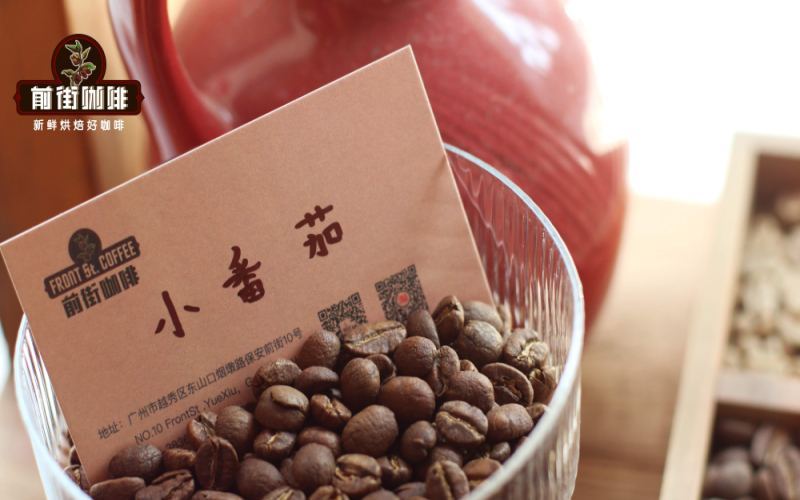
How is the body of Kenyan Asaliya washed beans? Analyzing Kenyan coffee flavor and brewing key points
Kenya is a production region beloved by many sour coffee enthusiasts. Front Street Coffee's Kenya Small Tomato coffee beans are known for their complex, full-bodied juicy feel and dark fruit flavors, suitable for various extraction methods such as pour-over, cold brew, and moka pot. This coffee from the Thika region uses the Kenyan-style 72-hour washed process, with varieties SL28 and SL34, featuring bright fruit acidity, a mellow mouthfeel, and both caramel sweetness and a wine-like body. This article will guide you through the flavor characteristics of Kenyan coffee, the double washed processing method, and the grading system, and share Front Street Coffee's recommended brewing parameters and pouring techniques to help you fully showcase the aroma of Small Tomato and its smoked plum acidity. [more…]
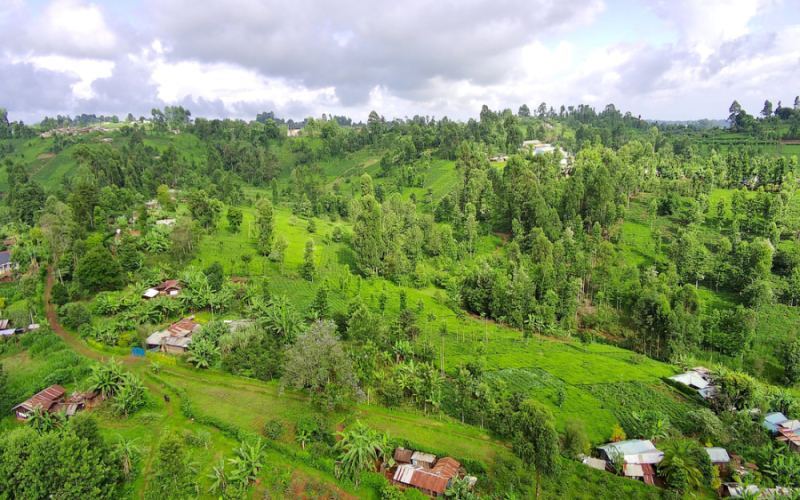
Kenya AA Cherry Tomato Flavor Pour-Over Parameters Explained: Extraction Approach for Double-Fermented Washed Coffee Beans
Kenya AA, with its bright acidity and tomato-like flavor profile, has become a favorite among many pour-over enthusiasts. This article starts from Kenya's producing region environment, variety evolution, and unique K72 washing process to analyze the causes of its flavor, and given the beans' plump size and hard texture, provides Front Street Coffee's recommended grind size, water temperature, coffee-to-water ratio, and staged pouring plan. Whether you want to replicate a cup of clean, translucent tomato-like flavored coffee or understand the extraction logic of Kenyan beans, you can find actionable parameter references here. [more…]
Analysis of the Acidity Characteristics and Origin Varieties of Kenyan Coffee: Where Does the Cherry Tomato Flavor Come From?
Kenyan coffee is renowned for its extremely high acidity and vivid fruity flavors, with blackberry and grapefruit-like notes that are highly sought after by coffee lovers. Behind this unique flavor lies both the meticulous operation of smallholder cooperative farms and the region's iconic K72-hour double washed processing method. Front Street Coffee's Kenya Little Tomato, sourced from the Asali processing station in the Thika region, presents a sweet-and-tart quality reminiscent of smoked plum and cherry tomatoes. This article will systematically sort out the origins, varieties, grading system, and processing techniques of Kenyan coffee, and share practical brewing experience for light-roasted Kenyan beans in terms of dripper selection, water temperature control, and grind size judgment. [more…]
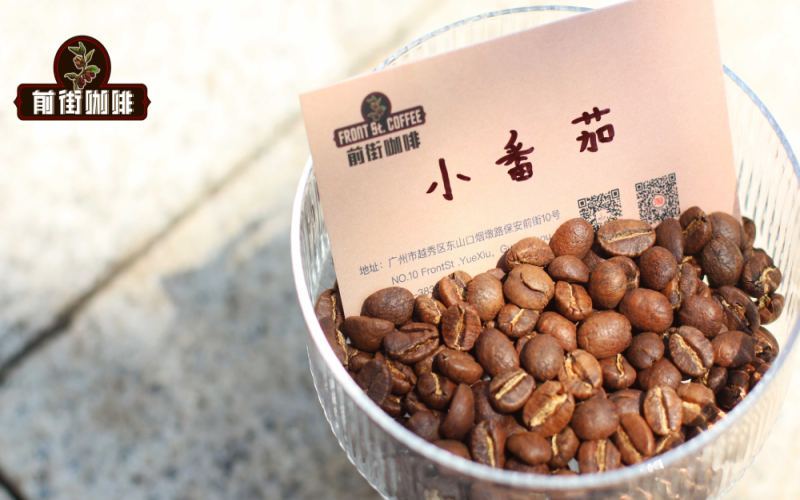
A Complete Guide to Kenyan Coffee Pour-Over: From the SL28 Variety to Front Street Little Tomato's Extraction Parameters and Step-by-Step Practice
Kenya is a representative producing country of East African specialty coffee, known for its vivid berry-like acidity and full body. This article starts with Front Street Coffee's Kenya · Little Tomato, outlining the terroir of Kenyan producing regions and the background of the SL28 and SL34 varieties, and for pour-over extraction of light-roasted Kenyan beans, it breaks down in detail the dripper selection, water temperature range, grind assessment, and three-stage pouring parameters, helping coffee enthusiasts consistently reproduce at home a cup of Kenyan pour-over that is bright in acidity and aroma with a long, lingering finish. [more…]
Kenya Pour-Over Coffee Water Temperature Guide: How to Brew a Juicy, Cherry Tomato-Like Cup
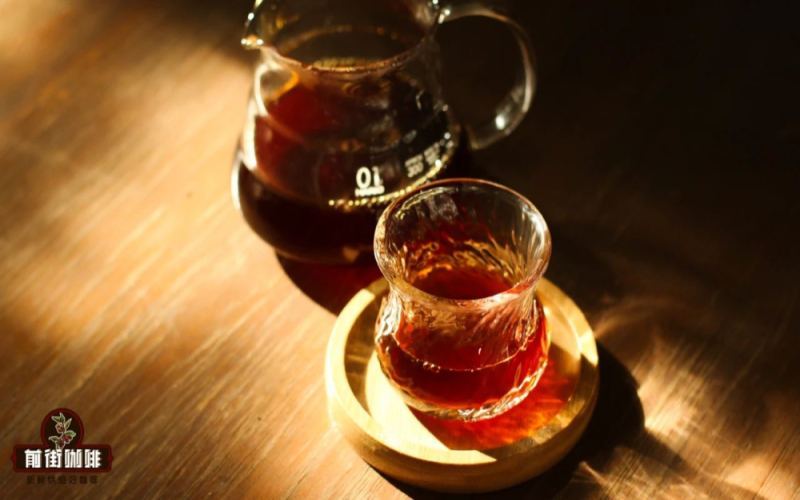
Kenyan coffee is famous for its bright fruit acidity and full-bodied berry flavors, yet many enthusiasts often run into over-extraction or a weak, watery cup when brewing at home. So what water temperature is needed to bring out the signature tomato-juice-like mouthfeel of Kenyan beans? Drawing on Front Street Coffee's cupping experience, this article breaks down where that juicy flavor comes from and, using Kenyan Cherry Tomato coffee beans as an example, shares practical advice on pour-over water temperature. Whether you're chasing citrus acidity or berry sweetness, mastering water temperature—this key variable—can take your coffee's juicy experience to the next level. [more…]
Kenyan Coffee Bean Flavor Characteristics, the K72 Washed Processing Method, and Front Street's Little Tomato Brewing Guide
肯尼亚咖啡以极高的酸度和鲜明的水果风味著称,深受资深咖啡爱好者喜爱。本文将带你了解肯尼亚咖啡的产地特色、分级制度、小农合作模式,以及造就其优质酸香的K72小时双重水洗处理法。同时介绍前街咖啡上架的肯尼亚·小番茄咖啡豆,来自锡卡产区Asali处理厂,拥有乌梅酸质与小番茄般的水果酸甜。针对这类浅烘豆,前街分享了三个冲泡关键细节,包括滤杯选择、水温控制和研磨度判断,并附上完整的三段式冲煮步骤,助你冲出一杯明亮干净、风味饱满的肯尼亚咖啡。 [more…]
Kenya AA Coffee Bean Flavor Analysis: A Complete Guide to Double Washing Process and Brewing Parameters
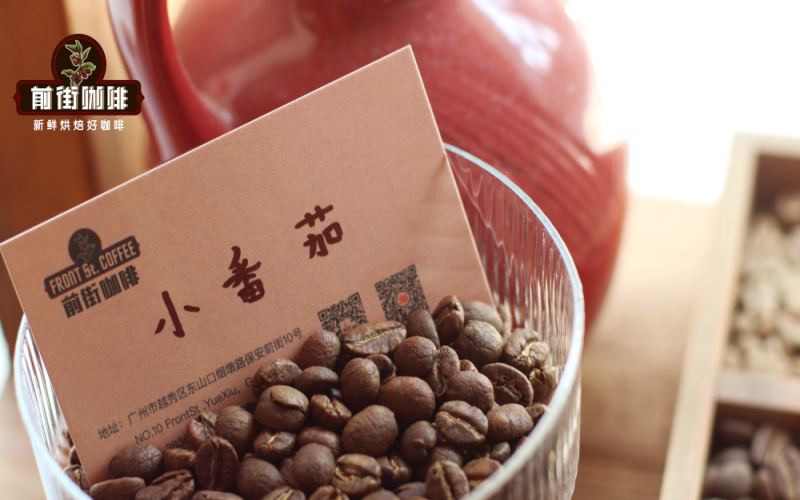
In the East African coffee landscape, Kenya has always occupied a unique position with its vivid fruit acidity and full-bodied mouthfeel. This article will provide an in-depth analysis of the two core pillars of Kenyan coffee—the 72-hour double washed fermentation process and the grading system based on bean size—and specifically introduce the flavor performance of Front Street Coffee's Little Tomato, a representative offering. From Nyeri and Kirinyaga to Kiambu, although different producing regions each have subtle variations, they all share bright acidity and berry notes. The latter part of the article will provide a complete brewing plan, covering water temperature, coffee-to-water ratio, coffee dose, and staged pouring technique, to help you consistently reproduce at home the sweet-and-sour aroma reminiscent of Little Tomato and its solid dark plum acidity. [more…]

Kenyan Specialty Coffee Beans | Why Does Kenyan Coffee Have Such High Recognizability? Where Does the Acidity in Kenyan Coffee Come From?
Honestly, Front Street Coffee is very fond of Kenyan coffee. If you're a friend who frequently visits Front Street Coffee's stores to drink coffee, it's not hard to notice that among the many samples Front Street Coffee shares, Kenya has a very high appearance rate. As for why we like it so much, Front Street Coffee believes this point is shared by many enthusiasts alike. Because Ken [more…]
Kenyan Coffee Flavor Analysis: From K72 Washed Processing to Front Street Cherry Tomato Brewing Essentials
Kenyan coffee is renowned for its vibrant fruit acidity and full body, with flavor notes ranging from blackberry and grapefruit to smoked plum. This article systematically analyzes what makes Kenyan coffee unique, from production region classification and smallholder cooperative models to the K72-hour washed processing method, and introduces the "Little Tomato" coffee beans from the Asali processing station in the Thika region, now available at Front Street Coffee, including details on their origin, varieties, and flavor description. Finally, for brewing light-roasted Kenyan coffee, it shares advice on dripper selection, water temperature control, grind size assessment, and a three-pour schedule, helping coffee enthusiasts brew a clean, bright, perfectly balanced cup with balanced acidity and sweetness. [more…]

Medium-Light Roast Coffee Bean Recommendations | Why Is Kenyan Coffee So Popular? What Factors Create the Acidity of Kenyan Coffee? How Do You Brew a Delicious Kenyan Pour-Over?
Honestly, Front Street Coffee is very fond of Kenyan coffee. If you are a friend who frequently visits Front Street Coffee's stores to drink coffee, it will not be hard to notice that among the many samples Front Street Coffee shares, Kenya has a very high rate of appearance. As for why we like it so much, Front Street Coffee believes that on this point, we are in complete agreement with many enthusiasts. Because Ken [more…]